How to Convert One Time Buyers Into Repeat Customers After the Holidays
Discover practical ways to turn holiday shoppers into repeat customers. Learn how to improve your second purchase rate with personalized follow-ups, targeted email campaigns, loyalty incentives, gamification, and effective WooCommerce retention tracking.
The holiday shopping season can bring a wave of new customers to your online store. Black Friday promotions, Christmas gift shopping, and seasonal discounts encourage people to make their first purchases, but many of those customers never return. Learning how to convert one time buyers into repeat customers is essential for turning a temporary sales increase into sustainable business growth.

Overview
Fortunately, customer retention doesn't have to depend on endless discounts. Personalized follow-ups, relevant product recommendations, loyalty incentives, and engaging shopping experiences can give first-time customers meaningful reasons to return. This guide explains how to develop those strategies, measure your second purchase rate, and build stronger relationships with holiday shoppers.
Why Holiday Shoppers Don't
Automatically Become Repeat Customers
Holiday shoppers often behave differently from customers who discover a brand during the rest of the year. Many are buying gifts for someone else, responding to limited-time promotions, or purchasing products they wouldn't ordinarily need. Their first transaction doesn't necessarily indicate a long-term interest in your product category.
This distinction matters when planning retention campaigns. A customer who purchased a skincare gift set might not use skincare products personally, while someone who ordered coffee supplies during a Black Friday promotion could be a strong candidate for replenishment reminders. Treating both customers identically can lead to irrelevant communications and wasted promotional spending.
There is also a difference between completing a successful transaction and building loyalty. A good price may persuade someone to buy once, but future purchases depend on product satisfaction, reliable delivery, customer service, convenience, and whether the retailer remains relevant to their needs.
The First Purchase Is Only the Beginning
The first order gives a retailer an opportunity to demonstrate reliability. Accurate delivery estimates, quality products, clear return policies, and responsive support establish the foundation for a positive customer relationship.
If a customer encounters delayed shipping, damaged packaging, or unanswered support requests, another promotional email is unlikely to resolve the underlying disappointment. Retention therefore begins with the purchasing experience itself, not with the next discount campaign.
Why the Second
Purchase Rate Matters
The second purchase rate measures the percentage of first-time customers who return to place another order within a defined period. It helps retailers understand whether their customer acquisition efforts are attracting people who are likely to maintain a relationship with the store.
For example, a business could acquire 1,000 first-time customers during November and December. If 180 of those customers place a second qualifying order within the following 90 days, the cohort's 90-day second purchase rate would be 18%. This is a hypothetical calculation, not an industry benchmark or a claim about expected campaign performance.
Increasing the second purchase rate can create additional revenue from customers who already know the brand. However, the value of repeat purchases depends on profitability, product costs, discounts, and ongoing marketing expenses. A higher repeat purchase rate is beneficial only when the economics support it.
Second Purchase Rate vs. Customer Retention Rate
These two metrics are related but not interchangeable. The second purchase rate specifically tracks customers moving from their first order to their second. Customer retention rate is broader and measures how many customers from a defined group remain active during a particular period.
For retailers focused on holiday acquisition, the second purchase rate is often more actionable. It provides a clear answer to a practical question: how many of the customers acquired during the holiday season actually returned to buy again?
Other useful measures include purchase frequency, repeat customer revenue, customer lifetime value, and the time between first and second orders. Together, these metrics provide a more complete picture of customer behavior.
Segment Holiday Customers
Before Planning Retention Campaigns

One of the most effective ways to convert one time buyers is to recognize that they don't all have the same motivations. Product choices, order timing, discount usage, and previous interactions can provide useful clues about what customers may need next.
Start with information your store already collects for legitimate business purposes, such as order history, product categories, purchase dates, and coupon usage. You don't need an overly complicated customer database to create useful segments. Even a few well-defined groups can make post-holiday communication more relevant.
Separate Gift Buyers From Personal Shoppers
Gift buyers deserve particular attention because their purchasing decisions often reflect another person's preferences. Someone buying a children's toy, for example, may be a parent, relative, or occasional gift shopper. Sending them repeated promotions for the same product category without further context could miss their actual interests.
Instead, consider offering a broader selection of gifting occasions, seasonal collections, or products suitable for different recipients. Where appropriate, invite customers to tell you which categories they are interested in rather than assuming their preferences from one order.
Customers purchasing products for themselves may respond better to complementary items, useful accessories, or replenishment opportunities. A buyer who ordered a coffee machine might appreciate compatible coffee beans or filters, while someone purchasing running shoes could be interested in sports accessories.
Identify Discount-Driven and Full-Price Buyers
Customers who purchased through major holiday discounts may have different price expectations from those who paid full price. A retailer should understand these differences before deciding whether another financial incentive is necessary.
Discount-driven customers might respond to carefully selected bundles or exclusive promotions, but repeated discounts can weaken margins. Full-price customers may place greater importance on convenience, product quality, exclusive access, or customer support.
These are useful hypotheses to test, not fixed characteristics of every buyer. Actual repeat-purchase behavior should guide future segmentation decisions.
A Practical Plan to Convert
One Time Buyers After the Holidays
Post-holiday retention works best as a sequence of relevant interactions rather than a single promotional campaign. The objective is to maintain the relationship established during the first purchase and introduce a useful reason to return when the customer is ready.
To convert one time buyers effectively, retailers should coordinate customer service, email marketing, product recommendations, and retention incentives. The timing must reflect the type of product purchased and its normal replacement or purchase cycle. A customer buying a durable appliance shouldn't receive the same repeat-purchase schedule as someone ordering consumable products.
Start With a Positive Post-Purchase Experience
Immediately after an order, prioritize accurate transactional communication. Customers should receive order confirmation, appropriate delivery updates, and clear information about contacting support or managing returns.
Once delivery is complete, helpful product information can make the first experience more valuable. A skincare retailer might provide instructions for building a routine, while an electronics store could share setup tips or product care guidance.
When requesting reviews or feedback, give customers enough time to experience the product. Use the responses to identify service problems and improve the buying experience rather than simply collecting positive testimonials.
Introduce Relevant Products at the Right Time
A second-purchase recommendation should connect naturally to the original order. Rather than sending a broad catalogue of products, identify complementary items or categories that genuinely fit the customer's purchase.
For example, a customer who bought a coffee machine might benefit from a selection of compatible accessories. A shopper who purchased a winter jacket could be shown matching gloves or scarves, provided those products remain seasonally relevant.
Avoid promoting items customers are unlikely to need. The objective is to reduce the effort required to find something useful, not to create pressure to buy again immediately.
Give Customers a Reason to Return
When customers have had a positive first experience, a carefully chosen incentive can encourage a second visit. This might involve free shipping on a qualifying order, access to a limited collection, a useful product bundle, or a loyalty reward.
Not every incentive needs to reduce the selling price. Product education, improved service, early access, and thoughtful recommendations can also create value.
If you do offer a discount, calculate its impact on contribution margin and avoid giving away promotional value to customers who would have purchased without it.
Use Repeat Purchase Email
Campaigns to Stay Relevant
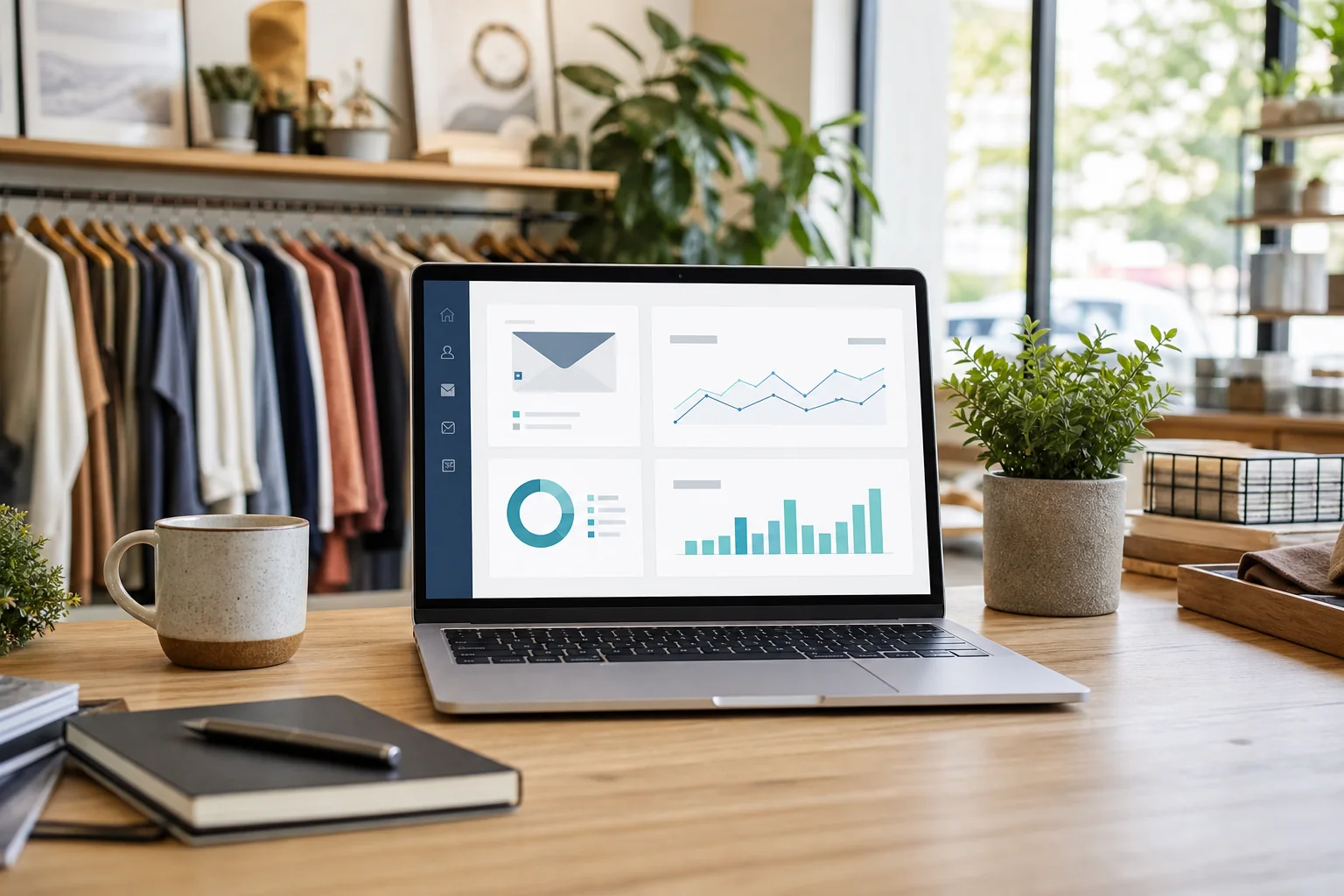
Email remains a practical channel for maintaining customer relationships after the holidays. It allows retailers to share useful information, recommend relevant products, and invite customers back when there is a genuine reason to shop.
However, repeat purchase emails should not be confused with transactional messages. Order confirmations and delivery notifications serve a different purpose from promotional recommendations. Businesses must use an appropriate legal basis for their communications and follow applicable email marketing requirements.
The European Commission's guidance on direct marketing explains that businesses must consider GDPR requirements alongside the ePrivacy Directive. Marketing permissions, customer objections, and unsubscribe preferences must be handled appropriately.
A Practical Post-Holiday Email Timeline
The following schedule is an illustrative starting point for a retailer selling products with a relatively short or moderate repeat-purchase cycle. It should be adapted to product usage, actual delivery dates, and customer communication preferences.
-
After purchase: Send the order confirmation, delivery updates, and essential customer service information.
-
After delivery: Provide helpful product guidance or request relevant feedback when the customer has had time to use the product.
-
Approximately 2–3 weeks later: Where marketing communications are permitted, introduce complementary products or useful recommendations.
-
Approximately 30–45 days later: Consider a relevant second-purchase incentive if the customer's product category and purchasing behavior justify it.
-
After 60–90 days: Review engagement and purchase activity, then adjust future communication frequency or incentives.
A replenishment business may have a much shorter or longer buying cycle depending on the product. Retailers selling durable goods may need to focus on accessories, service, or future gifting occasions rather than immediate repeat orders.
Write Repeat Purchase Emails Around Customer Needs
An effective repeat purchase email should explain why the suggested product or offer is relevant. A generic message telling every customer to shop again provides little additional value.
Consider a customer who purchased a coffee machine during the holiday season. A follow-up email might introduce compatible coffee varieties, explain how to maintain the machine, and offer a convenient way to order supplies.
The message should use a clear subject line, a concise explanation, and one main call to action. Personalization can improve relevance, but businesses should avoid unnecessary use of customer information or assumptions about personal preferences.
Retailers looking to make communication more engaging can also explore gamification in email marketing, including interactive rewards and incentives that connect email campaigns with website experiences.
Build Loyalty Without
Depending on Constant Discounts
Discounts can encourage immediate purchases, but they aren't a substitute for a reliable customer experience. Businesses that rely exclusively on price incentives risk attracting shoppers who return only when promotions are available.
Long-term retention requires a balance between value, convenience, recognition, and trust. Customers need reasons to choose your store even when competitors offer similar products.
Introduce Simple Loyalty Rewards
A loyalty program can encourage customers to return by providing benefits for continued engagement or purchases. Depending on the store, rewards might include points, exclusive product access, small gifts, or benefits unlocked after qualifying orders.
For smaller WooCommerce stores, a complicated tiered program may not be necessary. A straightforward benefit for a second purchase can be easier to explain and manage.
The important consideration is whether the reward provides genuine value without making future purchases unprofitable. For a broader look at reward mechanics, explore loyalty strategies for WooCommerce.
Make Customer Service Part of Retention
Reliable support can influence whether a customer feels comfortable purchasing again. Fast responses, clear return instructions, accurate product information, and straightforward problem resolution all contribute to confidence in the retailer.
For example, a customer who experiences a delivery issue but receives prompt and helpful assistance may retain a more positive impression than someone whose complaint goes unanswered.
Customer feedback should also inform improvements to product descriptions, shipping policies, and checkout usability. These changes can benefit both existing customers and future first-time buyers.
Use Gamification to
Support Repeat Customer Engagement
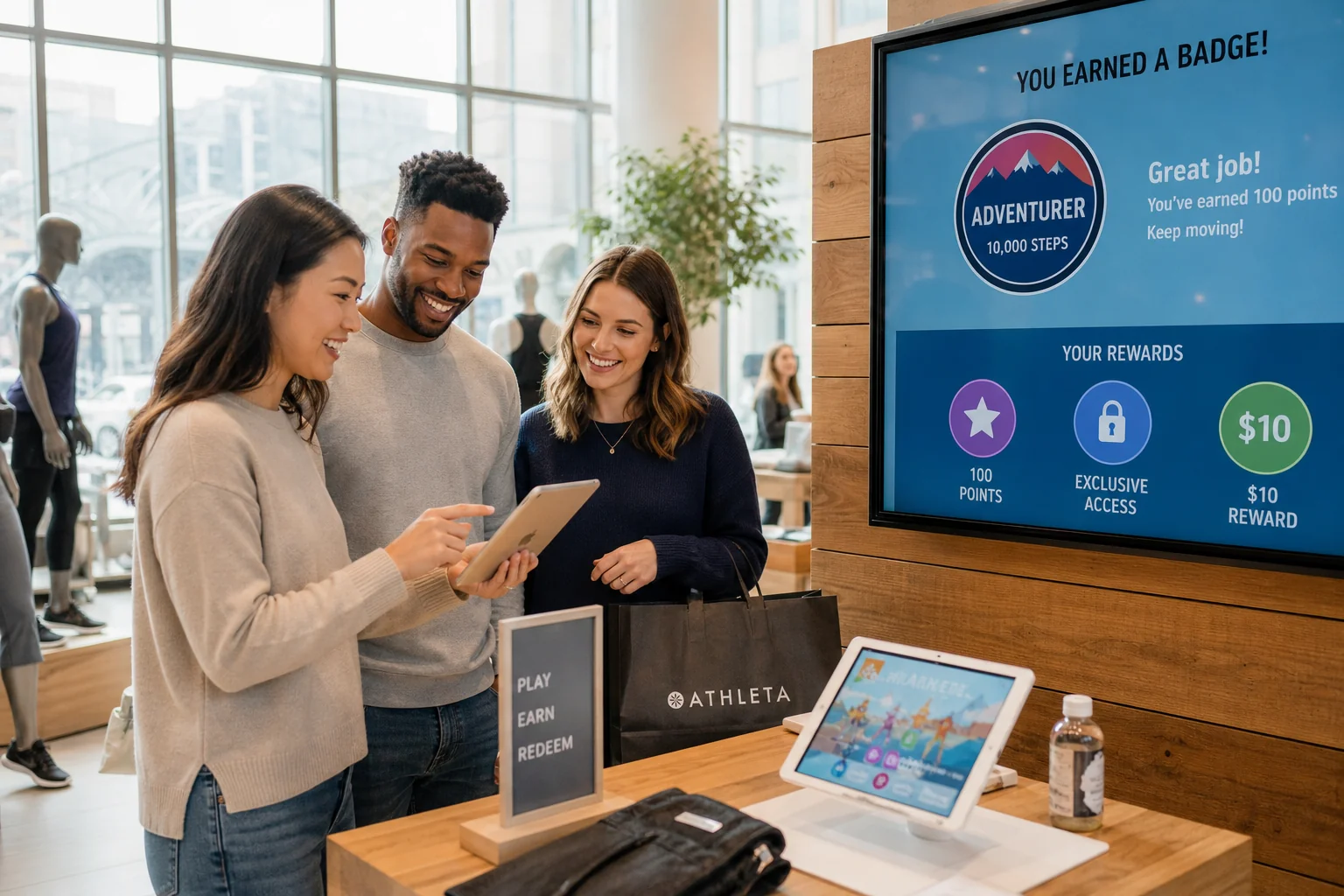
Gamification introduces interactive elements, rewards, or challenges into the shopping experience. Rather than simply displaying another discount banner, a retailer can invite visitors to participate in a short activity with an opportunity to receive a relevant incentive.
For businesses trying to convert one time buyers, gamification can be one component of a wider retention strategy. For example, a returning shopper browsing a complementary product might be more willing to engage with a playful incentive than with another generic promotional message. Whether that interaction leads to a profitable second purchase must be tested.
Different gamification mechanics serve different purposes. Points-based loyalty programs support ongoing participation, while interactive promotional popups can help engage visitors at particular moments. These functions should not be treated as interchangeable.
How Funnelsio Fits Into a Retention Strategy
Funnelsio provides gamified exit-intent popups for e-commerce stores, including WooCommerce integration. The tool invites visitors who appear ready to leave to play a game for a chance to receive a discount coupon. It also supports collecting leads and tracking outcomes such as generated leads and sales associated with rewarded coupons.
This can complement a broader customer engagement strategy by creating an additional opportunity to interact with departing visitors. Where customer targeting and integrations support the intended setup, relevant incentives can be coordinated with existing promotional campaigns.
Funnelsio is not a complete customer relationship management system or a dedicated loyalty platform. Managing repeat purchase email sequences, customer segmentation, and long-term loyalty points requires suitable supporting tools.
When evaluating gamification, focus on meaningful outcomes rather than game participation alone. Measure coupon redemption, purchases, revenue, and profitability to understand whether the added interaction contributes to customer retention.
How to Measure Whether You
Convert One Time Buyers Successfully
Retention campaigns need clear measurement because an increase in repeat orders doesn't automatically mean the campaign caused it. Product availability, seasonality, advertising activity, and customer satisfaction can all influence whether shoppers return.
Choose a specific group of first-time customers and follow their purchasing behavior over a consistent period. For example, customers acquired during November and December can be tracked for a full 90 days after their individual first purchase. This produces a more useful comparison than simply counting all returning customers during January.
Calculate Your Second Purchase Rate
Use the following formula:
Second Purchase Rate (%) = (First-Time Customers Who Place a Second Order Within the Measurement Window ÷ Total First-Time Customers in the Eligible Cohort) × 100
Suppose a hypothetical WooCommerce store acquires 800 first-time customers during the holiday season. Within 90 days of each customer's first purchase, 120 make a qualifying second purchase.
The calculation is:
(120 ÷ 800) × 100 = 15%
The store's 90-day second purchase rate for that cohort is 15%. This example illustrates the calculation only and does not represent a benchmark or an observed business result.
Use consistent definitions for completed purchases, refunds, cancellations, and customer identity. Customers who haven't yet had the full 90-day observation period should not be treated as failures in a completed 90-day cohort analysis.
Track Additional Retention Metrics
Second purchase rate is a strong starting point, but it doesn't tell the whole story. Retailers should also monitor time to second purchase, repeat customer revenue, average order value, customer lifetime value, and the profit generated after promotional costs.
For WooCommerce stores, the Customers report provides customer-level information such as order counts, total spending, and average order value. More advanced cohort analysis may require additional reporting tools or custom data analysis.
When testing a retention incentive, compare similar customer groups where possible. A controlled experiment can help determine whether the offer generated additional purchases or simply gave discounts to customers who would have returned anyway.
A Hypothetical Post-Holiday
Customer Retention Example

Imagine an online retailer selling home accessories, kitchen products, and seasonal gifts. The store attracts a large number of first-time customers during Black Friday and Christmas promotions, but many of them don't return afterward.
The business wants to improve its second purchase rate without offering large storewide discounts. It decides to focus on customer segmentation, relevant communication, and a better post-purchase experience.
The Retention Strategy
First, the retailer separates customers according to their initial purchases. Shoppers who bought kitchen appliances receive useful product information and recommendations for compatible accessories. Customers who purchased decorative gifts receive broader home styling inspiration and recommendations related to future gifting occasions.
Next, the store prepares follow-up emails for customers who can lawfully receive marketing communications. These messages introduce relevant products rather than automatically providing a discount.
Finally, the retailer tests a second-purchase incentive with an eligible customer group while maintaining a comparable control group. The goal is to measure whether the incentive increases profitable repeat orders.
What the Store Should Evaluate
The retailer tracks the second purchase rate over a consistent 90-day window and compares purchase behavior between the test and control groups. It also measures the time between orders, revenue per customer, coupon redemption, and promotional profitability.
If the incentive group produces more purchases but lower contribution profit, the business may need to reduce the reward or improve targeting. If useful product recommendations perform well without discounts, those messages could become part of the regular post-purchase communication strategy.
This is a hypothetical scenario, not a real case study or evidence of a particular performance improvement. Its purpose is to illustrate how a structured retention campaign can be evaluated.
Common Mistakes That
Prevent Repeat Purchases
One common mistake is contacting every holiday customer with the same promotional message. A gift shopper, a repeat-category buyer, and someone who purchased a heavily discounted product may respond differently to the same offer. Segmentation helps businesses avoid irrelevant recommendations.
Another problem is communicating too frequently. Sending repeated discounts immediately after the first purchase can make customers feel pressured, particularly when they haven't received or used their original order. Appropriate timing and communication preferences should guide campaign frequency.
Retailers also sometimes overlook profitability. A second order obtained through an expensive discount may look positive in a revenue report while contributing little profit. Measure incremental value, not just redeemed coupons or total sales.
Finally, avoid focusing exclusively on marketing automation while ignoring customer experience. Poor delivery, difficult returns, missing product information, and checkout problems can prevent customers from returning even when promotional campaigns are well executed.
Conclusion: Turn Holiday Purchases
Into Long-Term Customer Relationships

Learning how to convert one time buyers into repeat customers requires more than sending another discount after Christmas. The strongest retention strategies begin with a positive first experience, recognize different customer needs, and provide timely reasons to return.
By monitoring second purchase rates, improving post-purchase communication, and introducing relevant loyalty incentives, retailers can develop a more sustainable approach to customer retention. Interactive rewards can also support engagement when used thoughtfully and measured against actual business outcomes.
For WooCommerce businesses interested in adding gamified incentives to their customer engagement strategy, explore Funnelsio's gamification options. Its exit-intent reward experiences can complement your retention efforts by engaging departing visitors and creating additional opportunities for conversions.
Questions
Answered
Common questions related to this topic.
What is convert one time buyers?
Converting one-time buyers means encouraging customers who made a single purchase to buy again. This often involves strategies such as personalized communication, loyalty programs, and targeted marketing. For example, a retailer might send a follow-up email with a discount code to entice the customer back.
How does converting one time buyers work?
Converting one-time buyers involves analyzing customer behavior and implementing strategies to encourage repeat purchases. This can include utilizing email marketing to remind customers of products they might like. The key benefit is increasing customer lifetime value, which boosts overall revenue for the business.
Why is it important to convert one time buyers?
It's important to convert one-time buyers because repeat customers typically spend more over time and contribute significantly to a business's profitability. Additionally, retaining existing customers is often more cost-effective than acquiring new ones. This helps build a loyal customer base and fosters brand advocacy.
When should I start efforts to convert one time buyers?
Efforts to convert one-time buyers should begin immediately after their first purchase. Timely follow-ups, such as thank-you emails or product recommendations, can enhance the likelihood of repeat purchases. Engaging customers soon after their initial experience helps keep your brand top-of-mind.
Can email marketing help convert one time buyers?
Yes, email marketing is a powerful tool for converting one-time buyers. By sending personalized follow-up emails, such as reminders for product replenishment or special offers, businesses can effectively encourage repeat purchases. Creating tailored content that resonates with customers increases engagement and conversion rates.
What are common challenges in converting one time buyers?
Common challenges include lacking customer data for personalized marketing and competition from other brands. Additionally, many businesses may underestimate the need for ongoing engagement. Overcoming these challenges involves implementing effective customer retention strategies and utilizing data analytics to understand customer preferences.
Ready To GrowThis Into Results?
Discover practical ways to turn holiday shoppers into repeat customers. Learn how to improve your second purchase rate with personalized follow-ups, targeted email campaigns, loyalty incentives, gamification, and effective WooCommerce retention tracking.
Prefer to reach out directly? We'll get back to you as soon as possible.
Contact MASS DATA Today